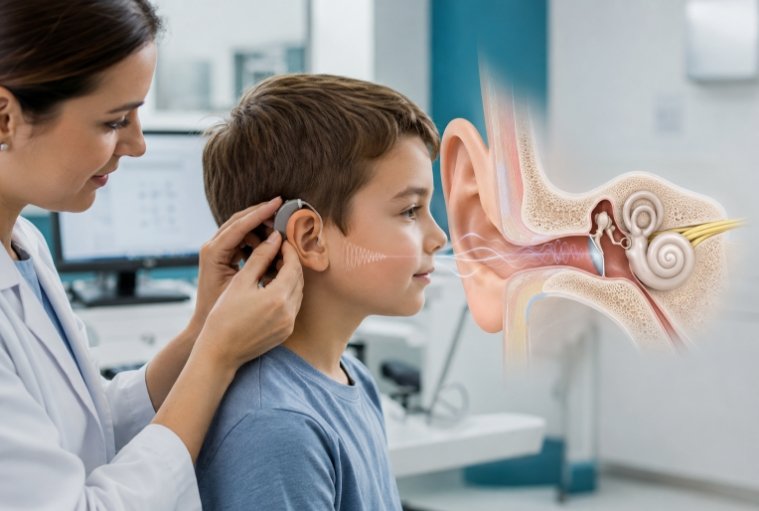
Lack of Acoustic Startle Reflex: Failure to blink, jump, or cry in response to sudden loud noises
Delayed Speech and Language Acquisition: Not babbling by 6 months or failing to produce single words (like "mama" or "dada").
Inconsistent Response to Auditory Stimuli: Turning when seeing a face, but ignoring when called by name from behind or from another room.
Excessive Media Volume: Frequently turning up the television, tablet, or radio volume to abnormally high levels.
Frequent Requests for Repetition: Regularly saying "Huh?", misunderstanding verbal instructions, or appearing inattentive in noisy settings.
Family Counseling & Support Services
Pediatric Hearing Loss Family Adjustment Counseling: Specialized psychotherapy supporting parents and siblings through the emotional impact, grief, and adjustment phases following a child's hearing impairment diagnosis.
Parent-Child Communication Coaching: Training programs teaching visual-tactile communication strategies, sign language integration, and auditory-verbal techniques to enhance daily bonding.
Childhood Disability Family Support Groups: Peer-led and professionally moderated groups connecting families facing similar pediatric medical challenges to share coping strategies and resources.
Educational Advocacy and School Transition Counseling: Guidance helping families navigate IEPs (Individualized Education Programs), coordinate with hearing specialists, and advocate for classroom accommodations
Surgical site signs (fever, localized swelling, or fluid drainage)
Family Counseling & Support Services
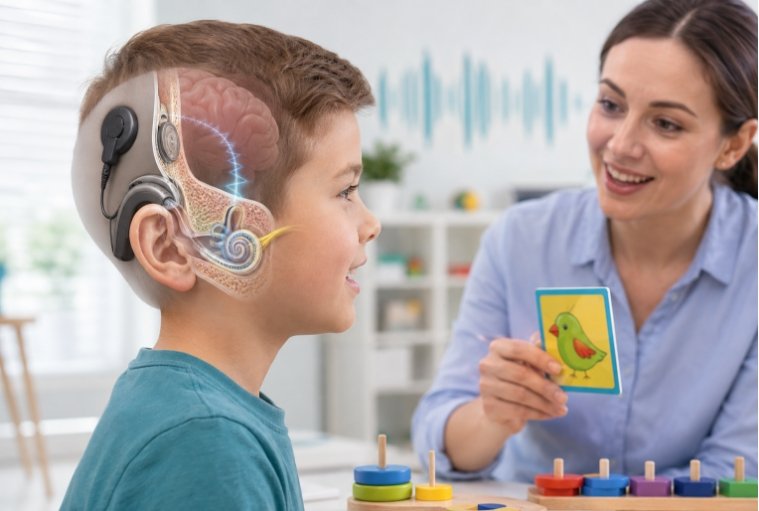
Learning to listen through a cochlear implant requires a strategic environment. How families interact directly shapes the child's progress.
Expectation Management & Psychoeducation: Helping families understand that hearing with a cochlear implant is a learned skill. We guide parents on the expected timeline for sound awareness, listening, and spoken language, ensuring expectations are realistic and encouraging.
Aural Rehabilitation Coaching (Auditory-Verbal Therapy Support): Training parents to become the primary language models at home. We teach families specific techniques to stimulate the auditory nerve and teach the child's brain how to interpret new electronic sounds.
Emotional Support & Adjustment: Providing a safe space for parents to process the anxiety surrounding the surgery, the stress of the activation day, and the transition into a new daily routine. We focus on building parental confidence.
Device Management Strategies: Offering practical, behavioral strategies to help toddlers and children tolerate wearing the external processors all day. We troubleshoot "device refusal" and help integrate the equipment into the child's identity.
Physical tension or visible struggle during speech
Avoidance of speaking in school or social settings
Family Counseling & Support Services
Psychoeducation on Stuttering: Educating the family on the neurological and motor roots of stuttering to dispel myths (e.g., stuttering is not caused by "bad parenting," trauma, or nervousness, though stress can exacerbate it).
Family Adjustment Coaching: Helping parents process their own fears or anxieties about their child's speech so they can model calm, supportive communication without projecting worry.
School Advocacy Training: Equipping parents with strategies to collaborate with teachers. This includes setting up IEPs, managing oral presentations, and creating zero-tolerance policies for bullying.
Emotional Resilience Building: Teaching the child and family how to separate the child's self-worth from their speech fluency.
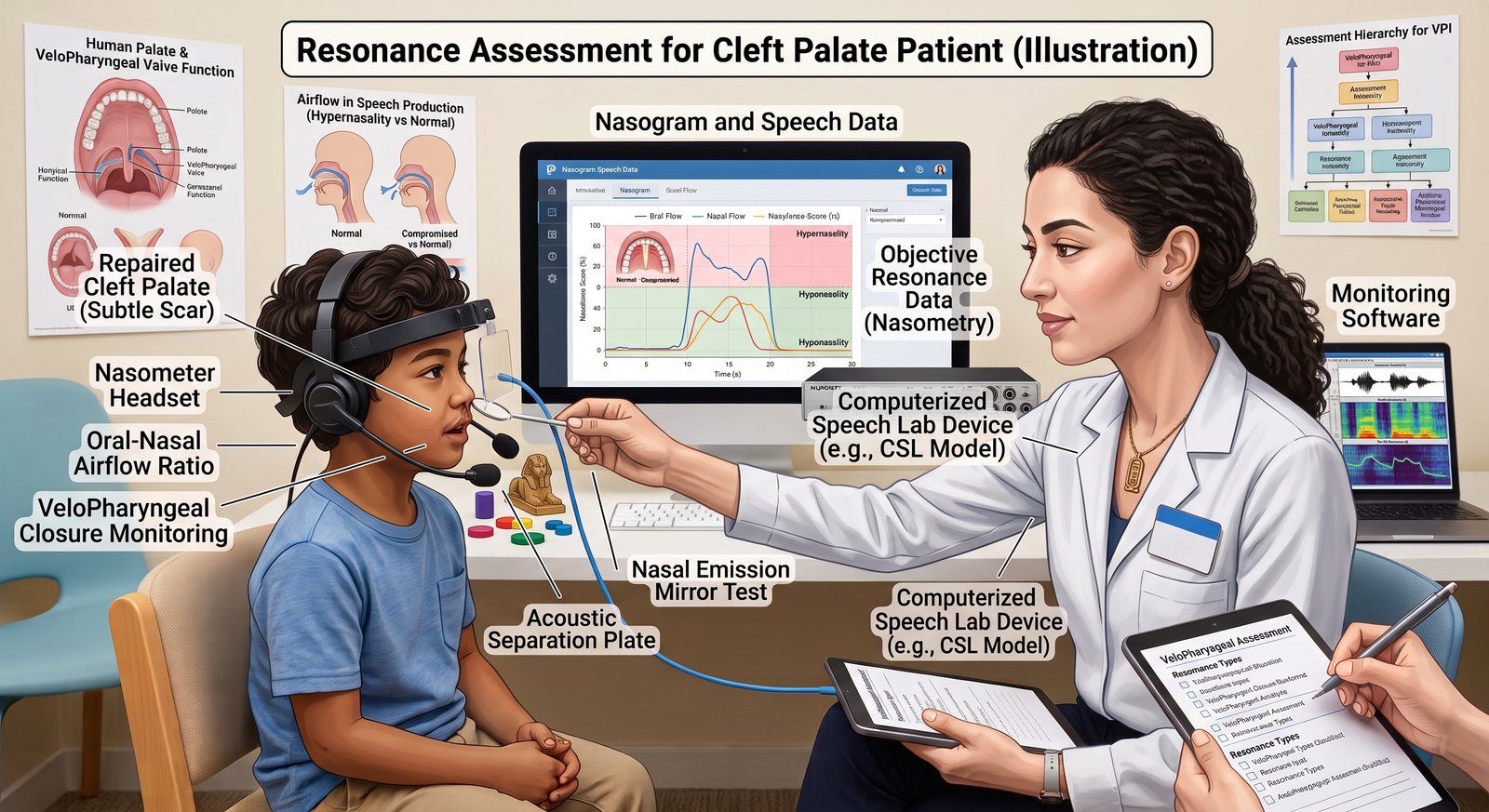
Medical Roadmap & Psychoeducation: Demystifying the long-term treatment plan (surgeries, orthodontics, speech therapy). Helping families understand the timeline so they feel prepared, in control, and less overwhelmed by the medical journey.
Early Bonding & Feeding Counseling: Addressing the emotional shock, grief, or anxiety parents may experience at diagnosis or birth. We provide emotional support alongside practical feeding strategies (using specialized bottles) to ensure a secure, stress-free parent-child attachment.
Pre- and Post-Surgical Coaching: Helping parents manage their own anxiety surrounding their child's operations. We also guide parents on how to explain upcoming surgeries to toddlers and older children in an age-appropriate, reassuring way.
Psychosocial & Self-Esteem Building: Equipping the family with tools to navigate social situations. This includes helping the child build confidence regarding their facial differences, surgical scars, or speech differences (such as hypernasality).
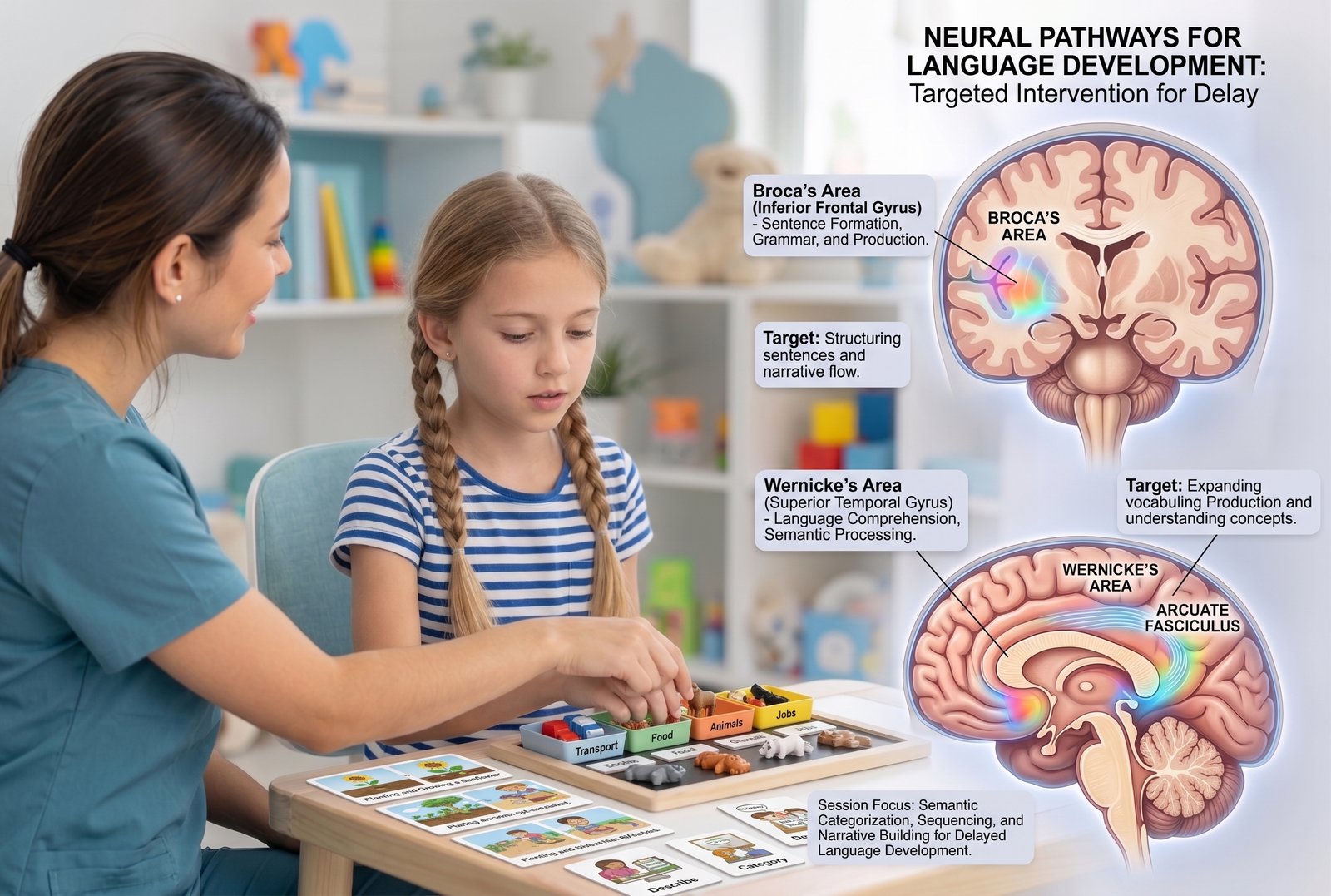
As a parent, it is natural to wonder if your child is hitting their communication milestones on time. While every child develops at their own pace, early intervention is critical for delayed language development.
Immediate "Red Flags" at Any Age
Loss of previously acquired speech: A sudden or gradual loss of words, babbling, or social skills they used to have.
No response to sound: They do not respond to their name or react to loud noises (which may indicate a hearing issue).
Lack of social engagement: They avoid eye contact, do not show interest in communicating, or do not point to share interest with others.
Signs of Speech and Language Delay by Age
By 12 Months: Does not babble or use consonant sounds (like "ba-ba" or "da-da"). Does not use gestures to communicate (e.g., waving bye-bye, pointing).
By 18 Months: Has not spoken their first recognizable word. Struggles to follow simple directions. Prefers gestures over vocalizations.
By 24 Months (2 Years): Uses fewer than 50 words. Does not combine two words (e.g., "more milk"). Relies heavily on imitating words (echolalia).
By 36 Months (3 Years): Speech is heavily unclear (unintelligible 75% of time). Struggles with short 3-4 word sentences. Shows visible frustration.
Family Counseling & Support Services
Psychoeducation & Milestone Tracking: Helping parents understand the difference between receptive language (understanding) and expressive language (speaking), and setting realistic, achievable milestones.
Parent-Child Communication Coaching: Training parents on evidence-based strategies to naturally stimulate language during daily activities (playtime, meals) without turning interactions into stressful lessons.
Behavioral & Emotional Support: Providing tools to manage tantrums, meltdowns, and emotional frustration that frequently occur when a child cannot verbally express their wants or needs.
Sibling Dynamics: Guiding parents on how to involve siblings in the communication process and teaching older siblings how to support, rather than speak for, their brother or sister.